Ai-generated prediction infrastructure limits to account for
Building a system that forecasts onchain metrics requires more than just a model; it demands a specific infrastructure stack. Predictive artificial intelligence uses statistical analysis and machine learning to identify patterns and forecast outcomes. For onchain data, this means the infrastructure must handle high-frequency, unstructured inputs to produce reliable signals.
The constraints fall into three distinct categories: data latency, computational cost, and signal decay.
Data Latency and Freshness
Onchain predictions fail if the underlying data is stale. Unlike traditional markets, blockchain data is continuous and global. Your infrastructure must ingest blocks in near real-time. If your pipeline lags by minutes, the "prediction" is merely a historical record. You need low-latency nodes and efficient stream processing to ensure the model sees the same state as the market.
Computational Cost
Running complex machine learning models on every block is prohibitively expensive. You must balance inference frequency with compute budget. Many teams use a hybrid approach: lightweight models for real-time alerts and heavier models for periodic deep analysis. This tradeoff determines how granular your predictions can be without breaking the bank.
Signal Decay
Onchain patterns often self-correct. Once a predictive signal becomes public or widely adopted, arbitrageurs exploit it until the edge disappears. Your infrastructure must include feedback loops that measure signal decay in real-time. If a model's accuracy drops below a certain threshold, the system should automatically reduce its reliance on that feature or retrain.
Infrastructure tradeoffs for onchain prediction
Predictive AI systems rely on statistical analysis and machine learning to identify patterns and forecast outcomes. When applied to onchain forecasting, the choice of infrastructure dictates how quickly you can react to market shifts and how much data you can process. There is no single perfect setup. Instead, you must weigh latency, data freshness, and computational cost.
The following comparison breaks down the primary architectural tradeoffs. Use this to select the stack that matches your specific risk tolerance and liquidity needs.
| Factor | Edge Compute | Centralized Cloud | Hybrid Model |
|---|---|---|---|
| Latency | Lowest (milliseconds) | High (network hops) | Medium |
| Data Access | Limited local feeds | Full historical datasets | Real-time + historical |
| Cost | High upfront hardware | Pay-per-use scaling | Balanced operational costs |
| Reliability | Single point of failure | High redundancy | Redundant failover |
Latency vs. Data Depth
Edge computing offers the lowest latency, which is critical for high-frequency onchain arbitrage. However, it lacks the storage capacity to process full historical datasets required for complex model retraining. Centralized clouds provide deep historical context but introduce network latency that can render predictions obsolete by the time they execute. A hybrid approach often balances these needs by keeping inference at the edge while training models in the cloud.
Cost Structure
Predictive models require significant computational resources. Edge hardware demands high upfront capital expenditure but offers predictable operational costs. Cloud providers charge based on usage, which scales with market volatility. During high-volatility periods, cloud costs can spike dramatically. Hybrid models allow you to handle baseline workloads on cheaper infrastructure while bursting to the cloud during peak demand.
Reliability and Failover
Onchain markets operate 24/7. Edge nodes are vulnerable to local hardware failures or network outages. Centralized cloud platforms offer high redundancy across multiple regions. A hybrid architecture can implement automatic failover, switching to cloud-based prediction models if an edge node goes offline. This ensures continuous coverage without sacrificing speed for critical trades.
Build a practical onchain forecasting framework
Predictive artificial intelligence uses statistical analysis and machine learning to identify patterns and forecast outcomes. In onchain forecasting, this means moving beyond static price charts to model the underlying health of infrastructure, tools, and strategy. The goal is to anticipate network stress, liquidity shifts, or protocol failures before they impact capital.
To build a reliable system, you need to integrate real-time data with predictive models. This involves selecting the right tools, monitoring infrastructure health, and applying a consistent strategy. The following steps outline a practical approach to building this framework.

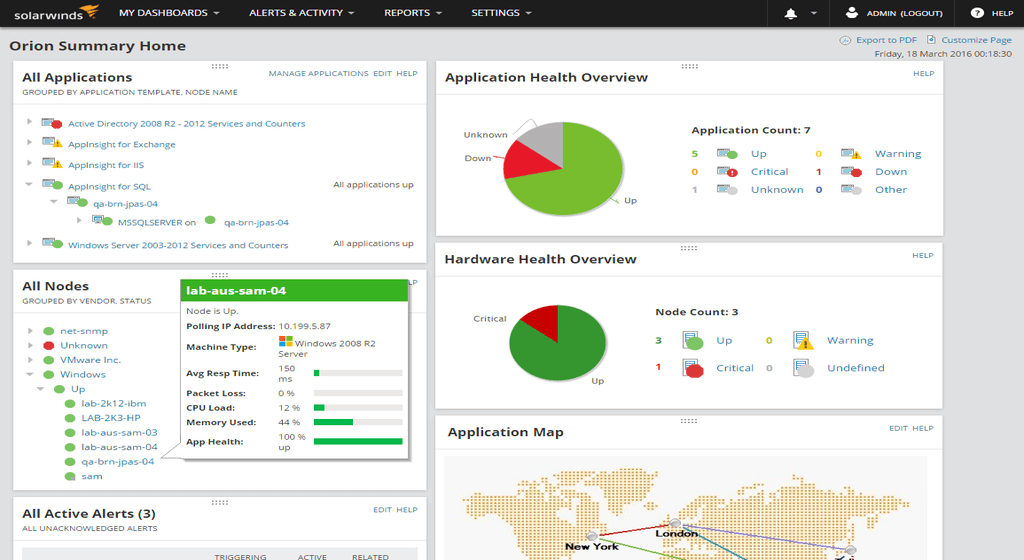
Start by choosing tools that offer confidence scores and actionable recommendations. Look for platforms that provide real-time health scoring for your data sources. These tools should detect patterns and predict issues hours in advance, giving you time to react.

Infrastructure stability is the foundation of onchain forecasting. Use AI to predict damage or degradation in physical or digital assets. This allows for better material selection and maintenance planning, ensuring your data sources remain reliable during high-volatility periods.
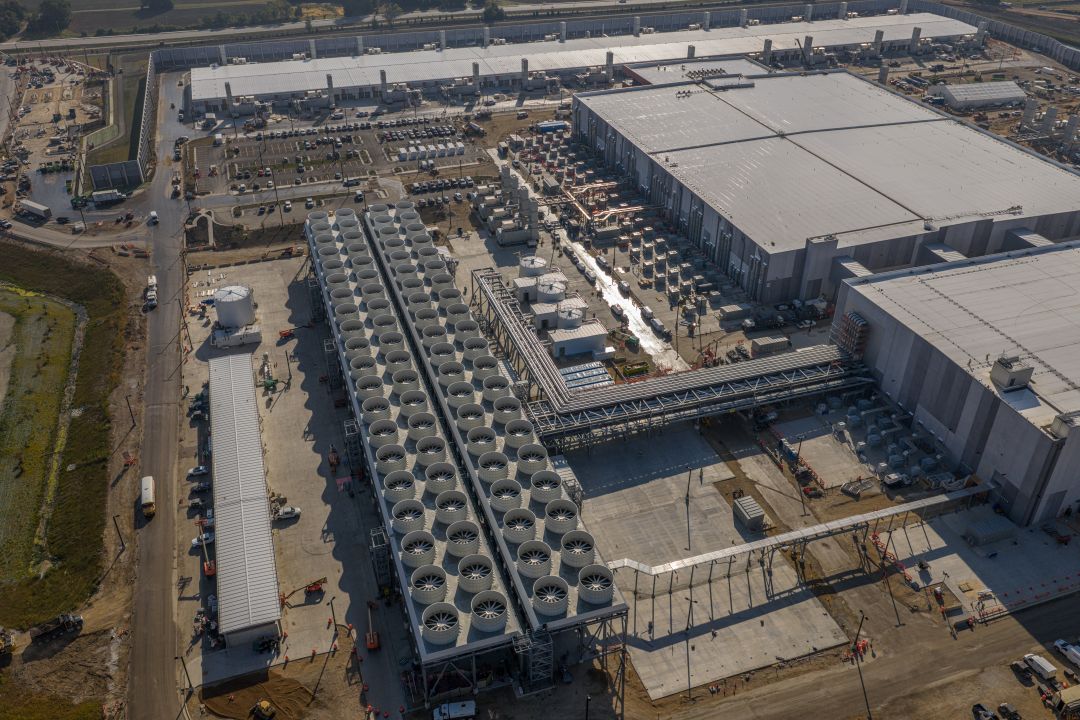
Connect your predictive models to live data feeds. The system should ingest logs, transaction data, and network metrics in real time. This integration ensures that your forecasts are based on the most current information, reducing the risk of acting on stale data.
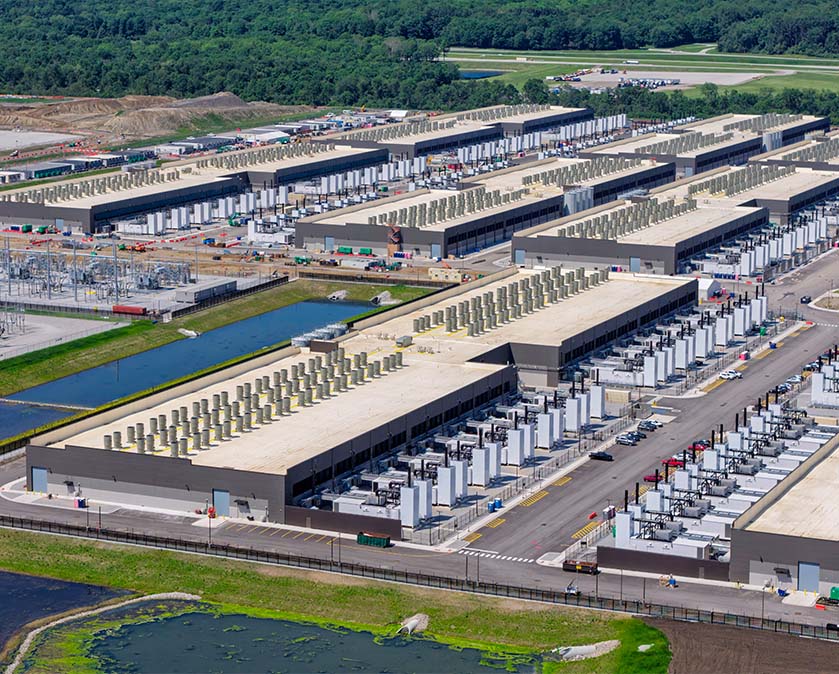
Define clear rules for when to act on predictions. A strategy should include entry and exit criteria based on confidence scores. This discipline prevents emotional decision-making and ensures that your actions align with the predictive signals.

Regularly test your models against historical data to verify accuracy. Refine your parameters based on performance metrics. This iterative process helps you improve the reliability of your forecasts over time, adapting to changing market conditions.


As an Amazon Associate, we may earn from qualifying purchases.
Avoid Weak Prediction Models
Many teams treat AI forecasting as a plug-and-play solution, but off-the-shelf models often fail on-chain data. Predictive AI relies on statistical analysis to identify patterns, yet blockchain data is sparse, noisy, and non-stationary. Using generic time-series models on transaction logs leads to false confidence.
The moisture damage analogy
Research shows AI can predict infrastructure damage by analyzing moisture patterns [src-serp-1]. Similarly, on-chain models must isolate specific signal types. If your model treats all transactions equally, it drowns in noise. Filter for high-value transfers or smart contract interactions first.
Real-time health scoring
Effective tools detect issues hours ahead using confidence scores [src-serp-2]. Avoid systems that only report historical accuracy. Look for outputs that include actionable recommendations, not just raw probabilities. If the model cannot explain why it flagged a pattern, discard it.
Ai-generated prediction infrastructure: what to check next
Predictive AI relies on machine learning models to analyze historical data and identify patterns that signal future outcomes. Before committing resources to onchain forecasting tools, it helps to understand how these systems process infrastructure data and where they fit within your operational stack.
No comments yet. Be the first to share your thoughts!