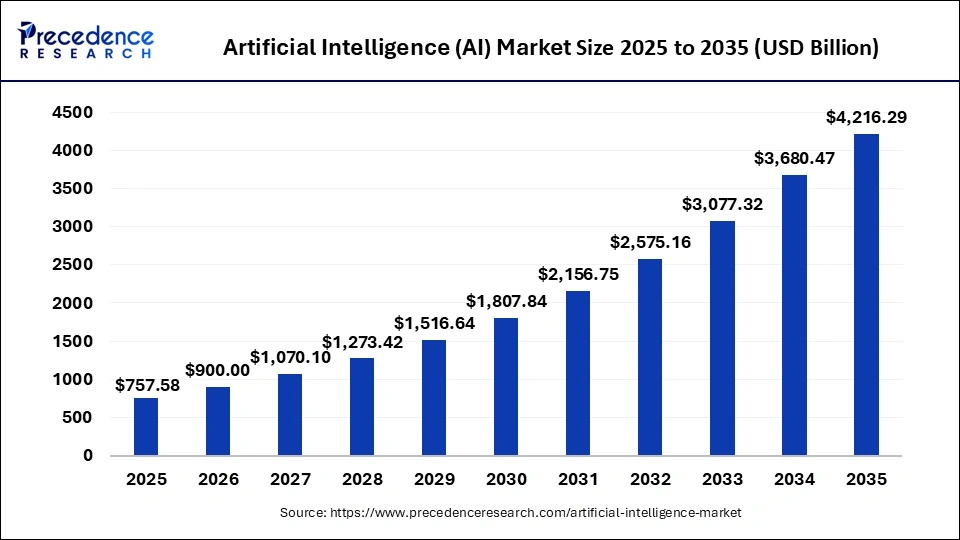
The rise of ai in prediction markets
AI-generated prediction market research is transforming how we forecast outcomes, but success depends on robust infrastructure and clear criteria. This guide breaks down the technical requirements and practical tools needed to build reliable systems.
The Technical Backbone of AI Prediction
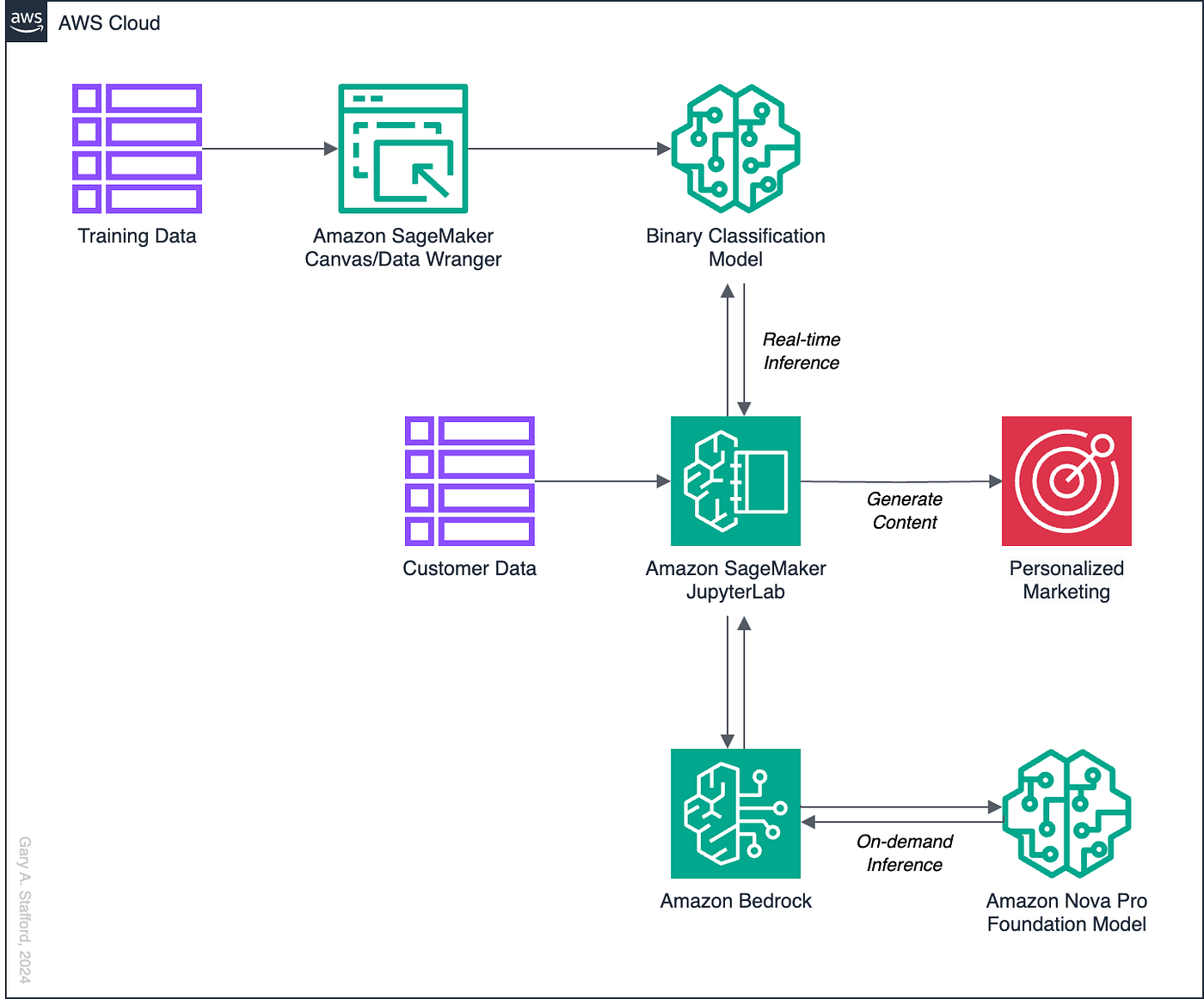
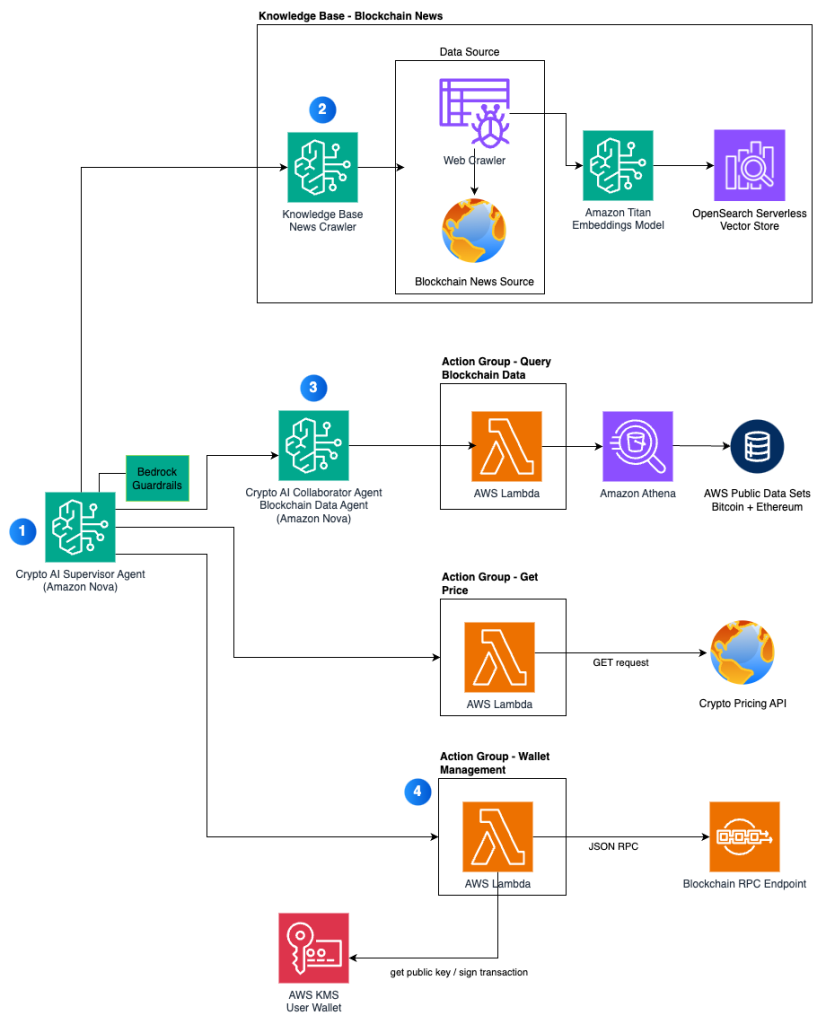
Building an AI prediction market research tool requires more than just a language model. You need a reliable pipeline that moves data from raw feeds to a settlement layer, where the AI can analyze it without hallucinating outcomes. If the infrastructure is shaky, the predictions are just noise.
Data Feeds and Settlement
The first hurdle is getting clean, real-time data. Most AI models perform best when they ingest structured historical data alongside live market signals. However, raw data is often messy. You need a layer that normalizes this information before it reaches the model.
Settlement is where many projects fail. If the AI predicts an outcome, the system must have a verified source to confirm if that outcome actually happened. Without a trusted settlement layer, the market has no integrity. Some developers use public verification boards to ensure that the data feeding the AI matches the final result. This transparency is critical for trust.
Model Integration
Integrating the AI model itself is the next step. You aren't just connecting an API; you are building a feedback loop. The model needs to process transaction data, identify patterns, and adjust its weights based on past performance.
Popular methods include support vector machines (SVM) for classification and long short-term memory (LSTM) networks for time-series forecasting. Some tools also use artificial neural networks (ANN) to handle complex, non-linear relationships in market data. The key is to choose a model that fits the specific type of prediction you are making.
Top tools for ai market research
When selecting AI tools for prediction markets, focus on those that offer transparent data pipelines and real-time settlement capabilities. Look for platforms that integrate directly with major prediction market protocols like Polymarket or Augur, ensuring your AI models have access to authoritative outcome data.
Building a robust prediction strategy
Integrating AI-generated research into your trading workflow requires treating these tools as probabilistic advisors rather than crystal balls. The goal isn't to find a single "perfect" predictor, but to build a system that leverages speed and pattern recognition while maintaining strict risk discipline. As research from the University of Cambridge indicates, AI models can now match prediction markets in forecasting real-world events, but they still operate within the bounds of uncertainty.
Risk management first
Never let algorithmic confidence override position sizing. AI tools excel at identifying patterns in historical data, but they cannot foresee black swan events or sudden regulatory shifts. Use AI signals to inform entry and exit points, but anchor your risk management rules—such as stop-losses and maximum drawdown limits—independent of the model's output. If an AI suggests a high-conviction trade, it should still fit within your overall portfolio risk parameters.
Diversify your data inputs
Relying on a single AI model or data source creates a single point of failure. Combine sentiment analysis from large language models with quantitative technical indicators. This hybrid approach helps filter out noise and false signals. For example, while an AI might detect bullish sentiment in news headlines, a technical chart can confirm whether the price action supports that narrative. This cross-verification is essential for building a robust strategy.
Monitor model decay
Market dynamics change, and AI models trained on past data can become less accurate over time. Regularly backtest your AI-generated insights against current market conditions. If the accuracy of your AI research drops below a certain threshold, pause its use in live trading and retrain or adjust the model. Continuous monitoring ensures that your strategy remains adaptive rather than static.
Helpful gear
Use these product recommendations as a starting point, then choose the size, material, and price point that fit how you actually use the gear.

As an Amazon Associate, we may earn from qualifying purchases.
No comments yet. Be the first to share your thoughts!