Predictive AI in crypto markets
Predictive AI in onchain markets uses statistical analysis and machine learning to identify patterns and forecast future price movements. Unlike generative AI, which creates new content, predictive AI analyzes historical data to anticipate events. This distinction matters because financial decisions rely on probability, not creation.
In high-stakes environments, the difference is critical. Generative models might draft a trade thesis, but predictive models provide the quantitative backbone for execution. They process vast amounts of onchain data to spot trends before they become obvious to human traders.
This capability transforms raw blockchain data into actionable signals. By focusing on pattern recognition rather than content generation, predictive AI offers a clearer view of market direction, helping traders navigate volatility with greater precision.
Building the onchain data pipeline
Onchain prediction markets don't run on hunches; they run on deterministic data. The technical stack begins with a reliable ingestion layer that pulls raw events directly from the blockchain. Instead of relying on third-party summaries, these systems listen to native smart contract logs. This ensures that the data feeding the AI models is exactly what happened on-chain, preserving the integrity of the market.
Once the data is ingested, it must be structured for machine learning. Predictive AI models, such as those described by IBM, require clean, normalized time-series data to identify patterns in volatility and liquidity. This stage often involves off-chain storage solutions to handle the volume of historical block data, allowing the AI to train against past market behaviors without slowing down the live chain.
The final layer is the oracle. AI predictions are only as good as the real-world data they reference. Official sources and verified oracles bridge the gap between on-chain contracts and off-chain reality. By anchoring predictions to trusted data feeds, the market ensures that payouts are based on factual outcomes, not manipulated or delayed information.
Compare prediction models
Choosing the right AI approach for onchain markets depends on what you are trying to forecast. Predictive AI uses historical data and statistical analysis to identify patterns and anticipate future events, distinct from generative AI which creates new content IBM. For market analysis, the choice usually comes down to time-series forecasting versus sentiment analysis.
Time-series models excel at predicting price movements based on historical trends, volume, and volatility. They are best for short-term technical trading where past price action is the strongest signal. Sentiment analysis, on the other hand, processes social media, news, and onchain activity to gauge market mood. This approach is more effective for spotting sudden shifts driven by news or community sentiment rather than pure price mechanics.
The table below outlines the key differences in latency, accuracy, and ideal use cases for each approach.
| Model Type | Latency | Accuracy | Best Use Case |
|---|---|---|---|
| Time-Series | Low | High for short-term trends | Price and volume forecasting |
| Sentiment Analysis | Medium | Variable, news-dependent | Event-driven volatility |
| Hybrid | High | Highest overall | Comprehensive market strategy |
For high-stakes decisions, a hybrid approach often provides the most robust signal. Combining technical indicators with sentiment data helps filter out noise and confirms trends with multiple data points. Always validate your model against recent market conditions before deploying capital.
Build your first prediction model
Creating a prediction model for onchain markets requires a disciplined workflow. Unlike generative AI, which creates new content, predictive AI analyzes historical data to forecast future price movements or market events. This distinction matters because accuracy in finance depends on rigorous data handling rather than creative generation.
We will walk through the standard lifecycle for building these models. This process aligns with industry standards outlined by Microsoft Learn and other technical guides. The goal is to move from raw data to a validated forecast with minimal guesswork.

Start by clearly defining what you want to predict. In onchain markets, this might be price direction, volatility spikes, or liquidity depth. A vague goal leads to a vague model. Be specific about the time horizon and the asset class.
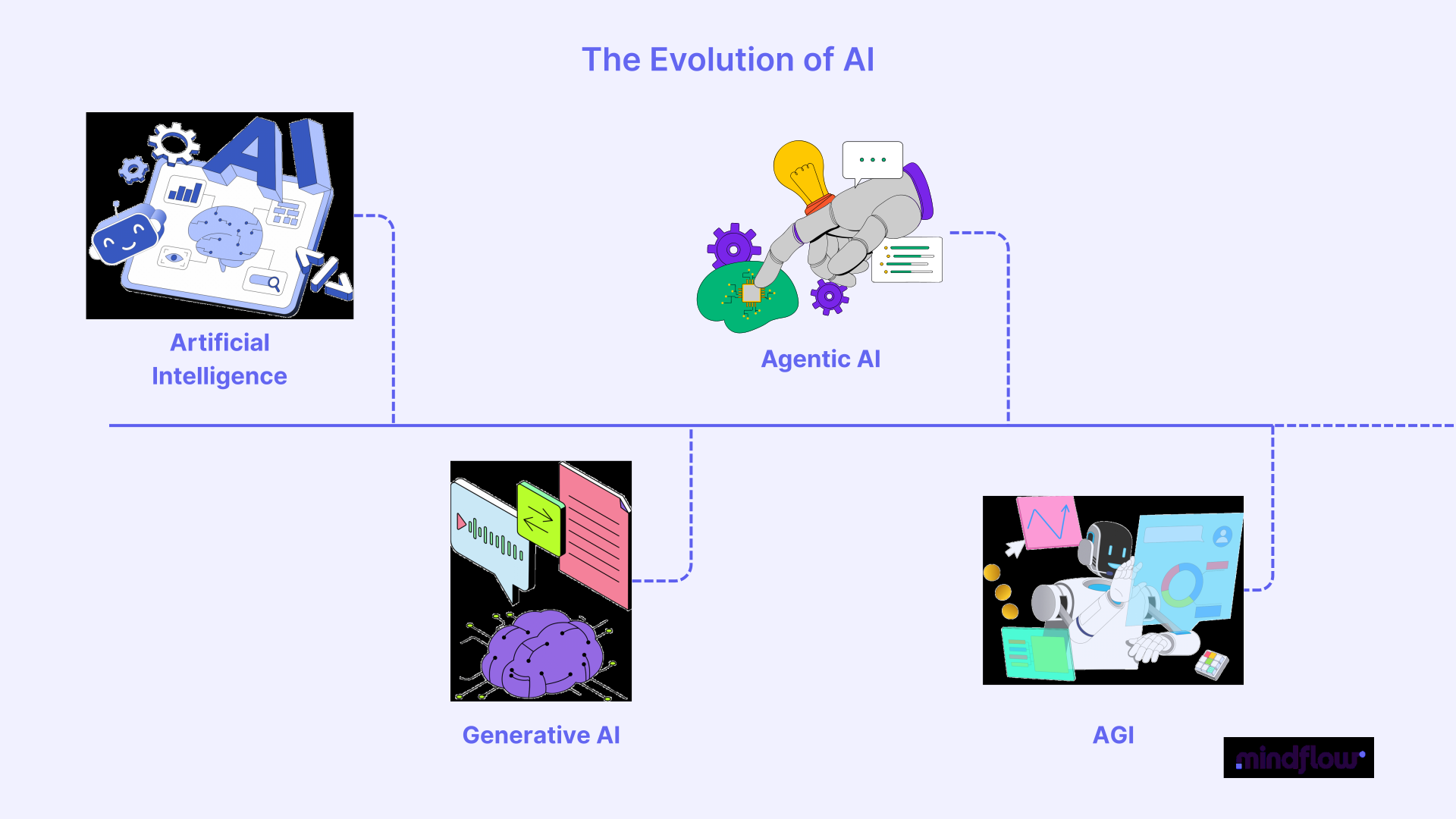
Divide your historical data into training, validation, and test sets. This is critical for onchain data, which is non-stationary. You must ensure your test set represents future conditions to avoid overfitting to past patterns. A common split is 70% training, 15% validation, and 15% testing.

Feed the training data into your chosen algorithm. For onchain markets, you might use regression models for price or classification models for direction. The model learns the relationship between your input features (like transaction volume) and the target variable.
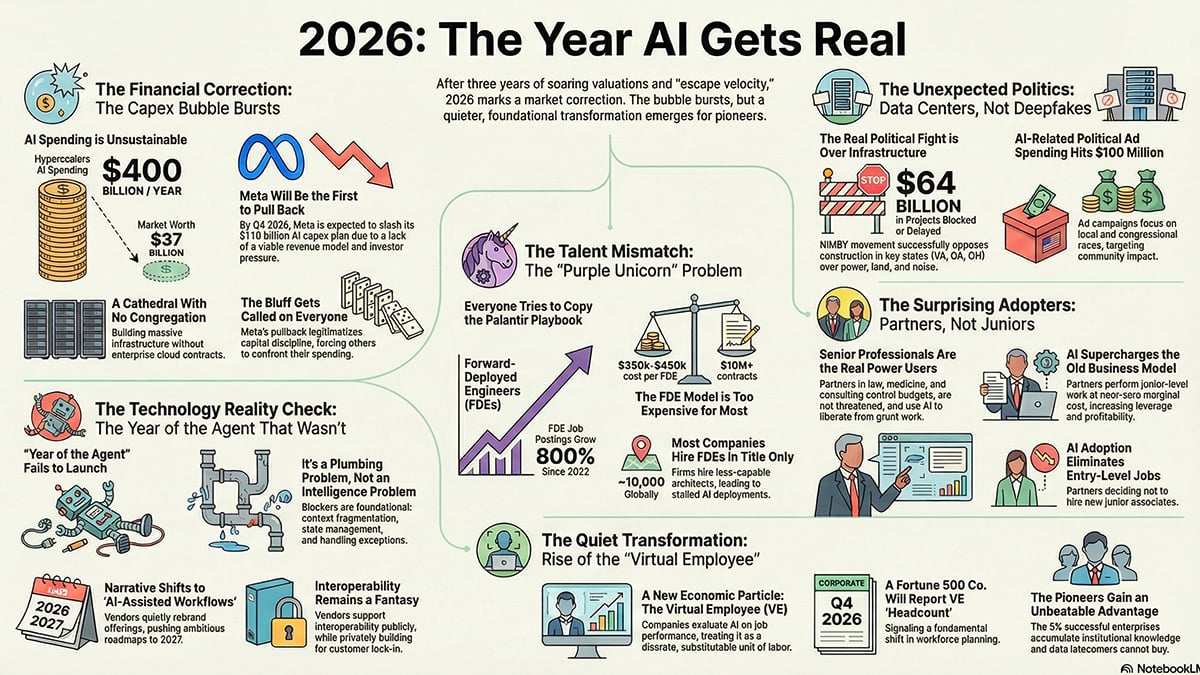
Evaluate the model against the validation set. Adjust hyperparameters to improve performance without memorizing the training data. This step ensures your model generalizes well to unseen market conditions. If performance drops significantly here, you may have overfit.

Finally, test the model on the holdout test set. If it meets your accuracy thresholds, it is ready for limited deployment. Always monitor performance in real-time, as market dynamics shift rapidly.
Note: Predictive AI is widely used to gain insights into customer behavior and optimize decision-making. It can predict anything from customer churn to supply chain disruptions to mechanical failures, enabling proactive planning by producing reliable, accurate forecasts.
Building a model is not a one-time task. It requires continuous monitoring and retraining as new onchain data flows in. The market is dynamic, and your model must adapt to remain useful.
Build a prediction model with AI Builder
Predictive AI analyzes historical onchain data to forecast future market movements, distinct from generative models that create new content. Microsoft’s AI Builder provides a structured environment to train these models without requiring deep machine learning expertise. You can upload your dataset, select a target column, and let the platform handle the feature engineering and model selection Microsoft Learn.
This approach is ideal for traders who need to integrate custom prediction logic directly into Power Automate workflows or Power Apps. The platform supports both cloud-based and on-premises data sources, ensuring your sensitive trading data remains secure while still being processed by the model. It effectively bridges the gap between raw blockchain data and actionable trading signals.
For those who prefer a more visual, drag-and-drop interface, Amplitude’s AI tools offer a different path. Their platform focuses on product analytics but provides robust prediction capabilities for user behavior and retention. This is less about raw market price forecasting and more about understanding the human element behind onchain activity. It’s a complementary tool for building a holistic view of market participants.

As an Amazon Associate, we may earn from qualifying purchases.
Common questions about AI predictions
Predictive AI uses statistical analysis and machine learning to identify patterns in historical data, allowing systems to forecast future events with greater accuracy than manual methods. Unlike generative AI, which creates new content, predictive AI focuses on anticipating outcomes based on established trends.
Is there an AI that can make predictions?
Yes, predictive AI is widely deployed to forecast specific events, from customer churn to supply chain disruptions. These systems analyze historical data to produce reliable, accurate forecasts that enable proactive planning and optimized decision-making across industries.
How to create an AI prediction model?
Building a predictive model involves defining the problem, splitting data for training and testing, and training the model to recognize patterns. The process concludes with parameter tuning and validation to ensure the model performs accurately on new, unseen data.
No comments yet. Be the first to share your thoughts!